

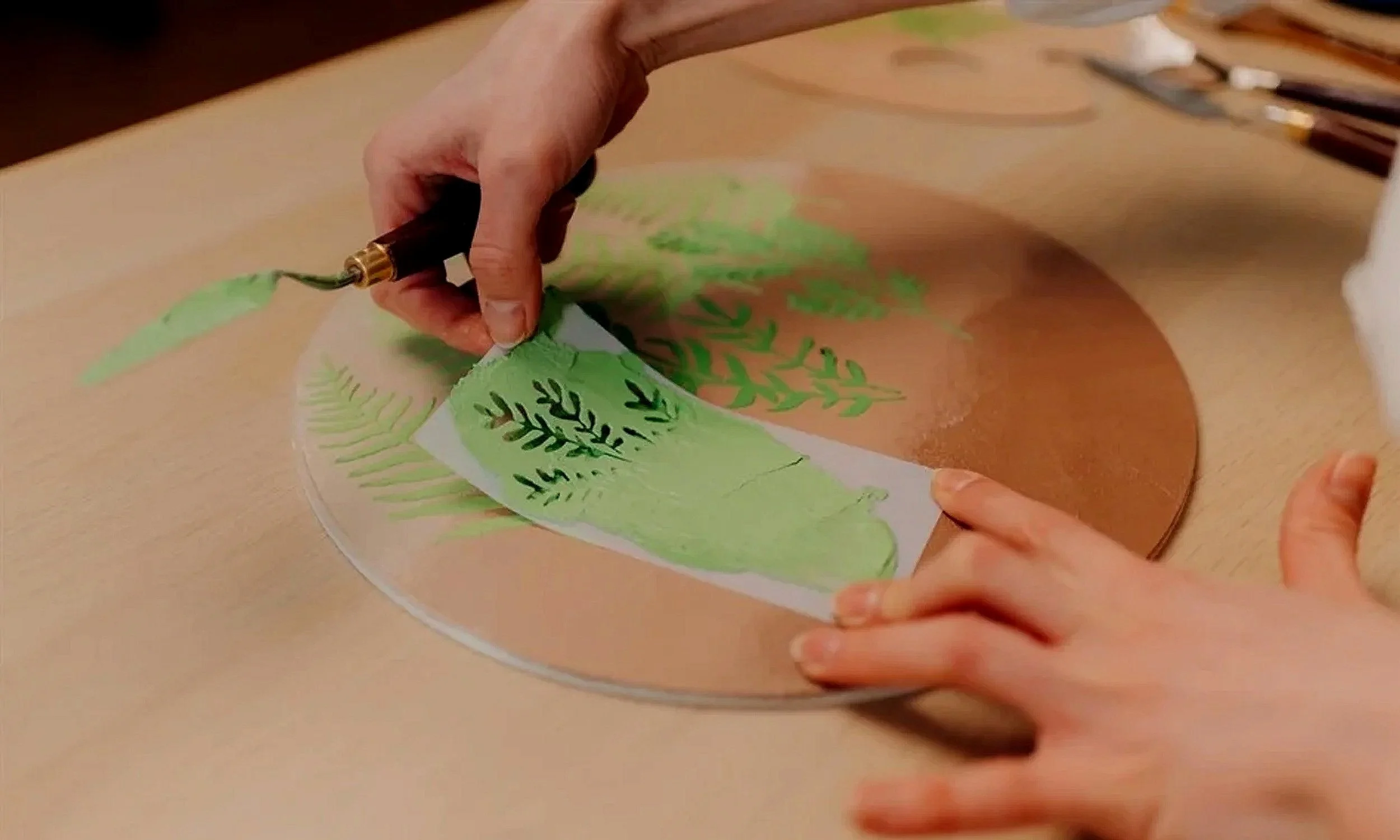
Custom Stencils
Reusable and custom-made stencils for logos, coffee, lettering, numbers and creative projects.
Custom Stencils for Business, Events and Creative Use
Our stencil service is designed for customers who need clean, reusable and custom-cut stencil solutions. We can produce stencils for logos, café branding, lettering, numbering and one-off custom designs in a range of sizes depending on your project.
Whether you're creating signage, decorating surfaces, branding drinks or organising event materials, we can help you choose a stencil style that works for your intended use.
Stencil Types
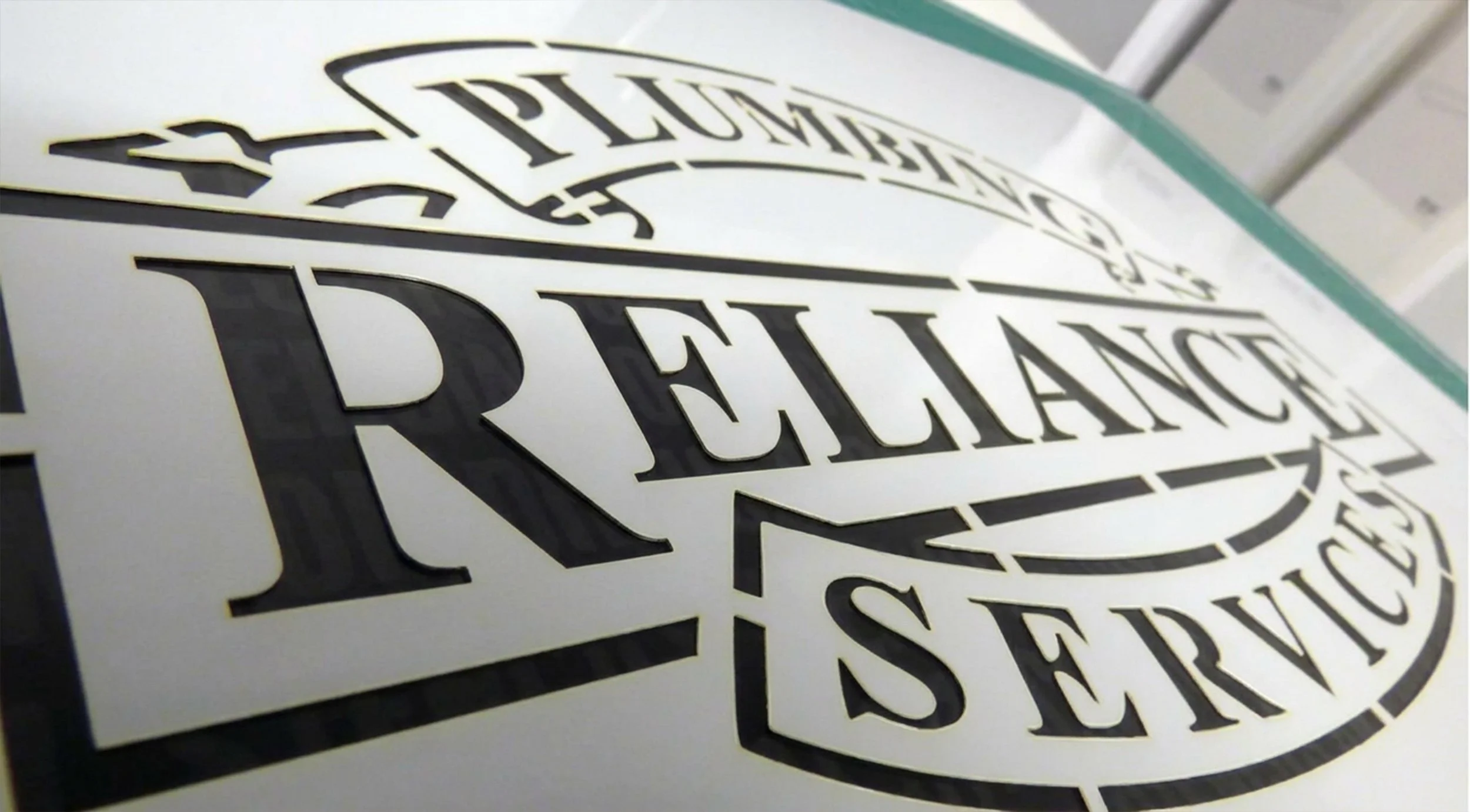
Logo & Branding Stencils
Ideal for walls, floors, packaging, signage and repeated branding applications, logo stencils are a practical way to apply your visual identity across different surfaces.
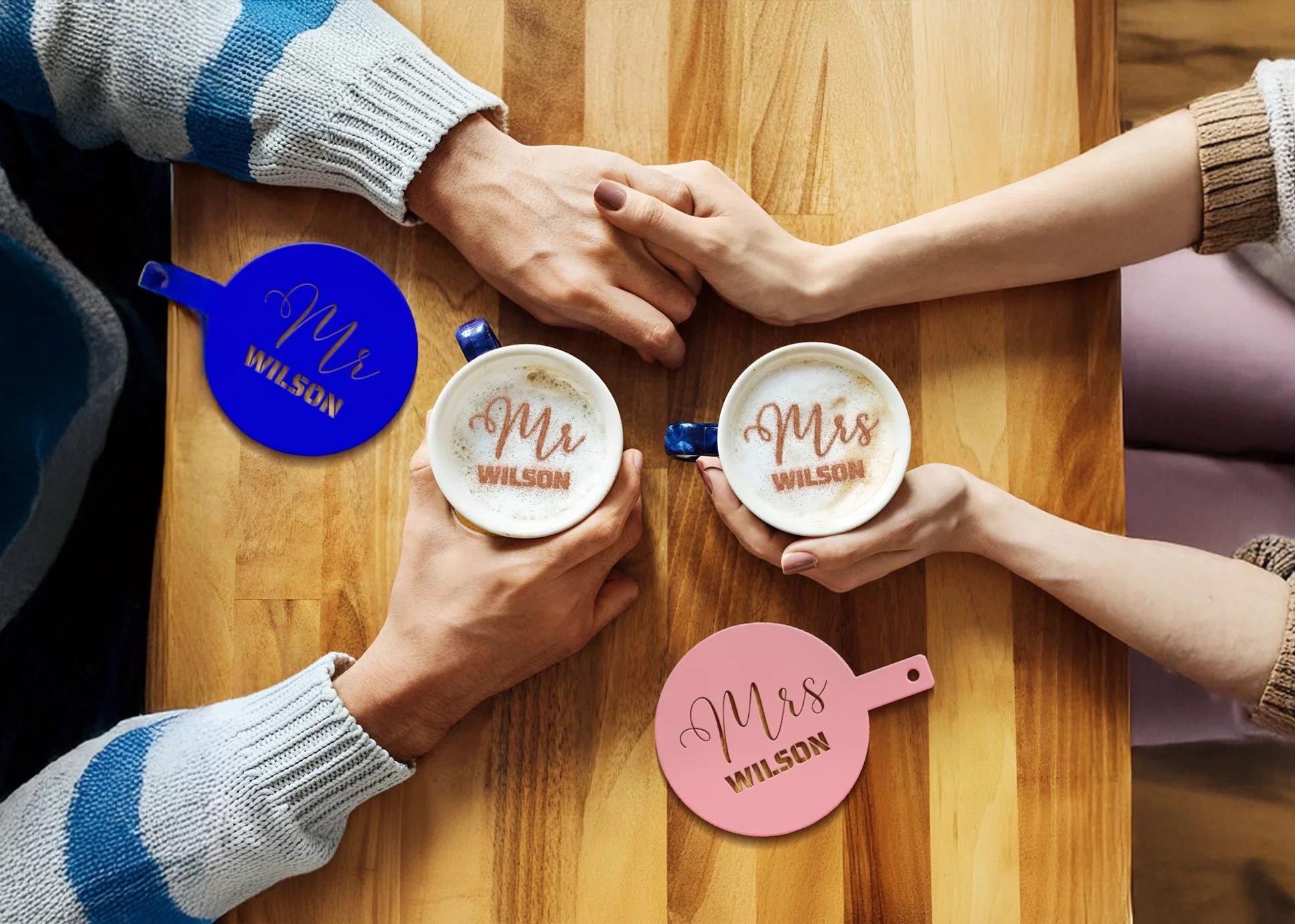
Coffee Stencils
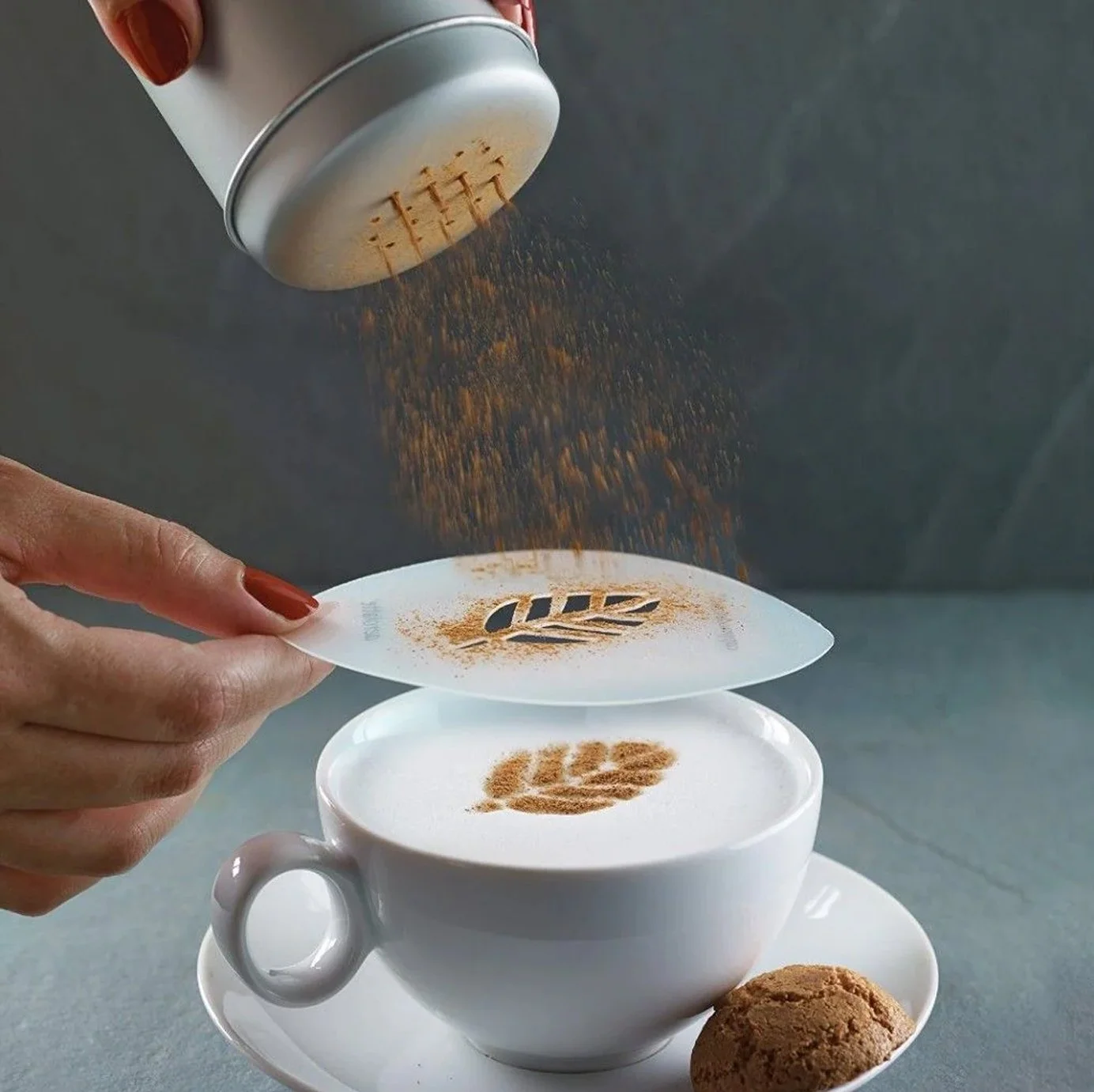
Custom coffee stencils are great for cafés, events, branded drinks and personalised gifting. They can be used to create decorative or branded designs with cocoa, cinnamon or other drink toppings.
We can make coffee stencils with names, logos, icons or simple themed artwork, depending on the design detail and intended use.
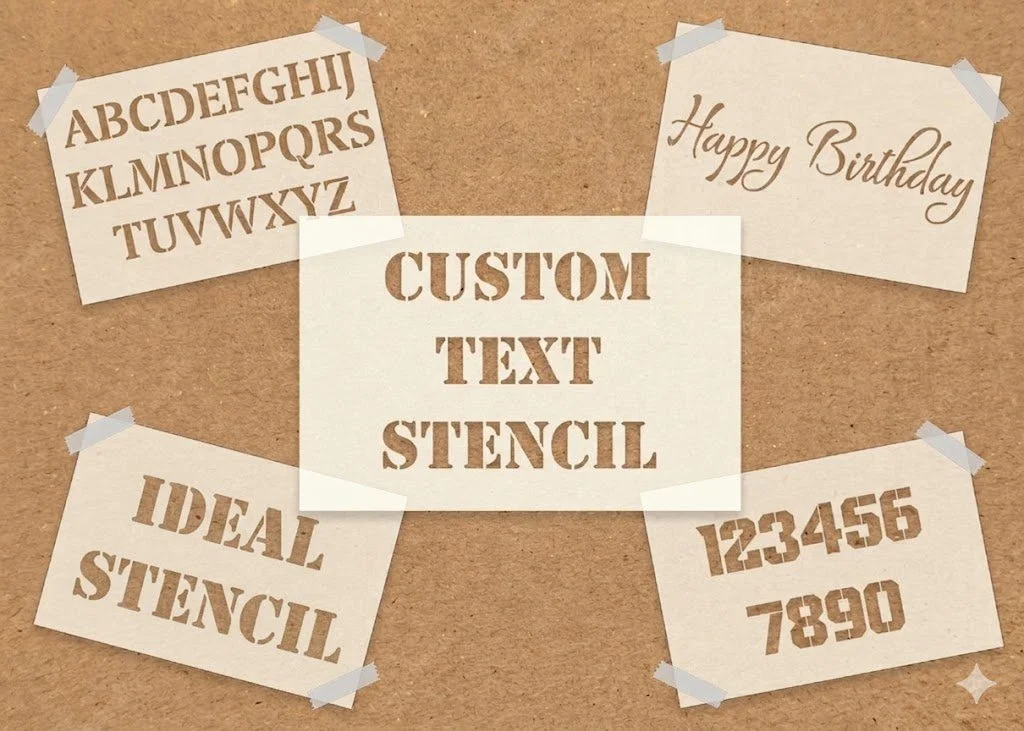
Letter & Number Stencils
Letter and number stencils are useful for signage, labelling, numbering, event setups and practical marking. They can be created as individual characters, complete sets or custom wording depending on your needs.
For repeat-use projects, we can also help arrange stencil layouts that are easier to align, space and apply consistently.
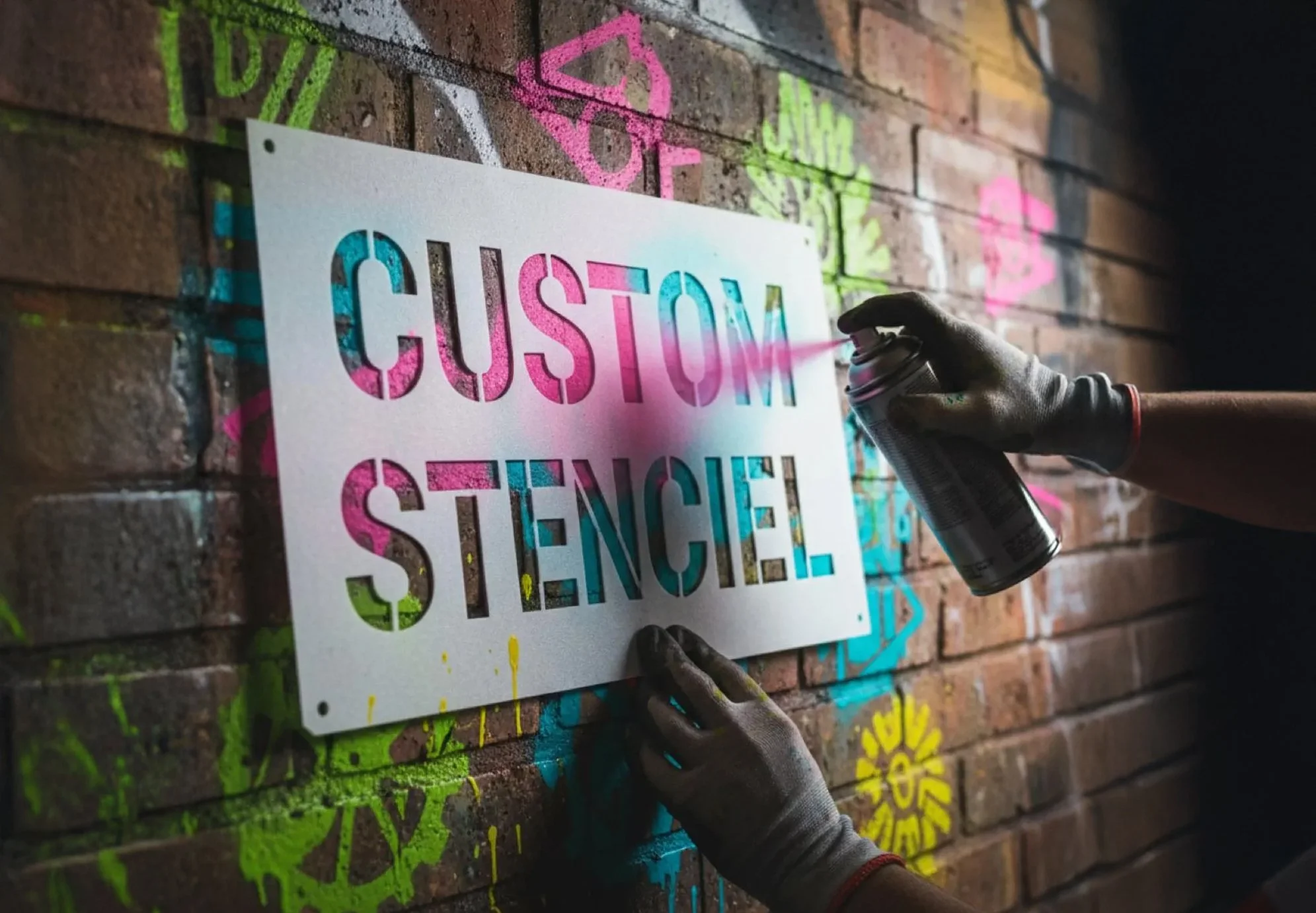
Custom Graphic Stencils
Need a stencil for something beyond standard logos or lettering? We also produce custom graphic stencils for icons, symbols, event graphics, illustrations and one-off creative concepts.
This option is ideal for projects that need a more unique visual outcome or a stencil design tailored to a specific concept, campaign or application.
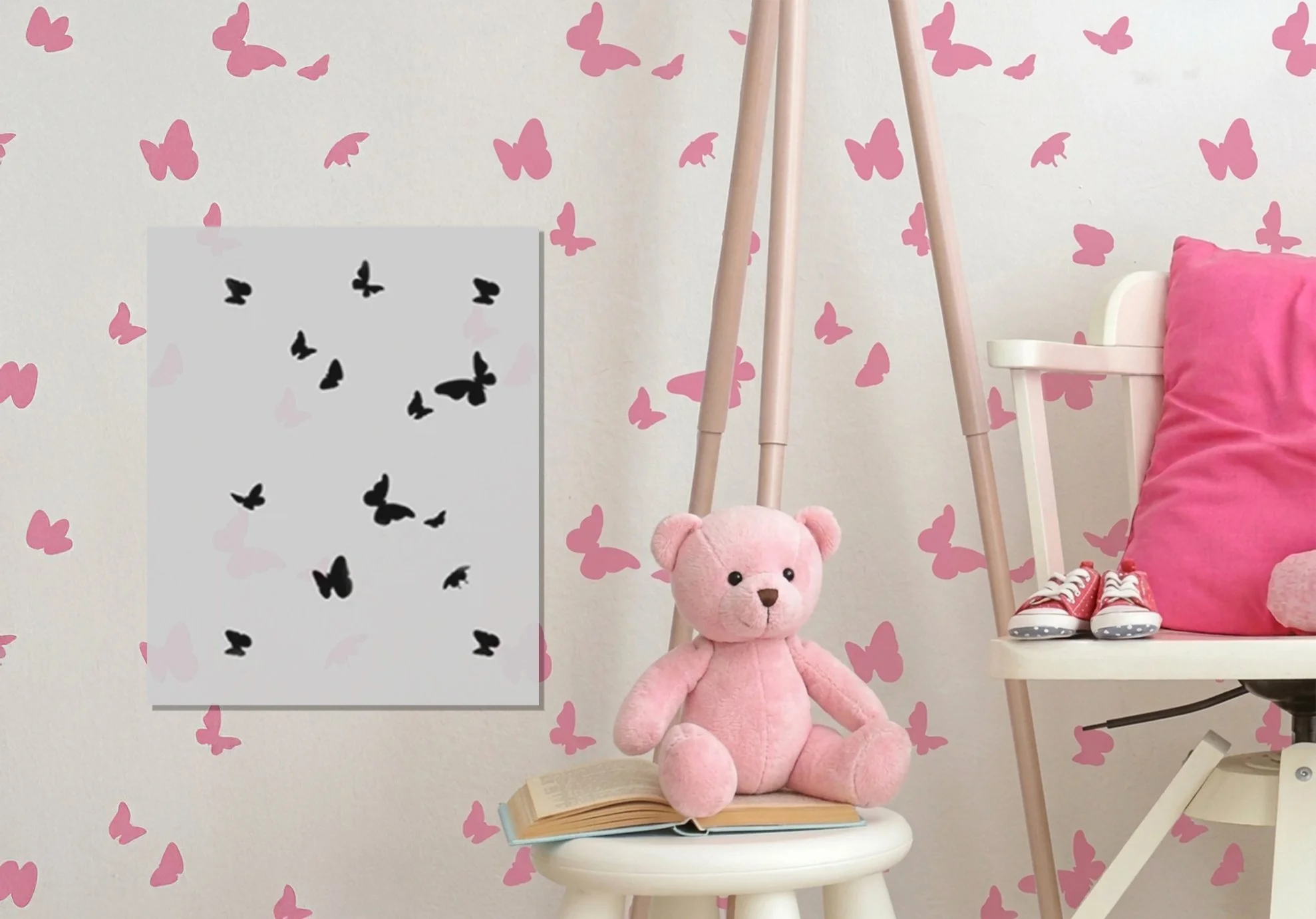
Pattern & Decorative Stencils
Pattern and decorative stencils are suitable for visual styling, repeating graphics, packaging decoration, wall details, furniture accents and creative display work.
From simple repeated motifs to more detailed floral, geometric or themed designs, these stencils can add texture, rhythm and character to a project.
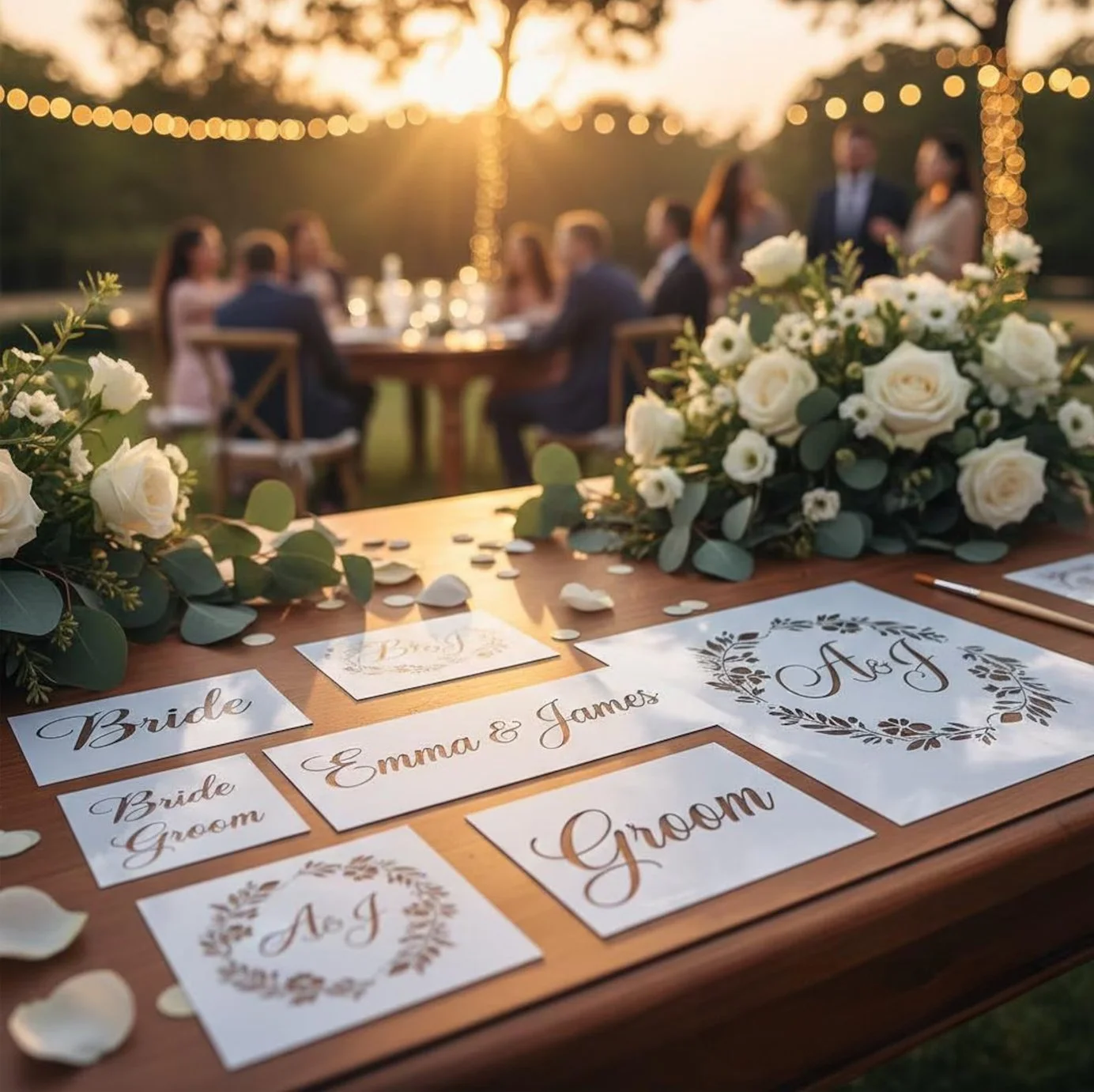
Event & Seasonal Stencils
Event and seasonal stencils are a great option for weddings, pop-ups, celebrations, branded activations and short-term visual campaigns.
They can be used for custom signage, table styling, backdrops, themed graphics or temporary decorative elements that support a particular occasion or season.
-
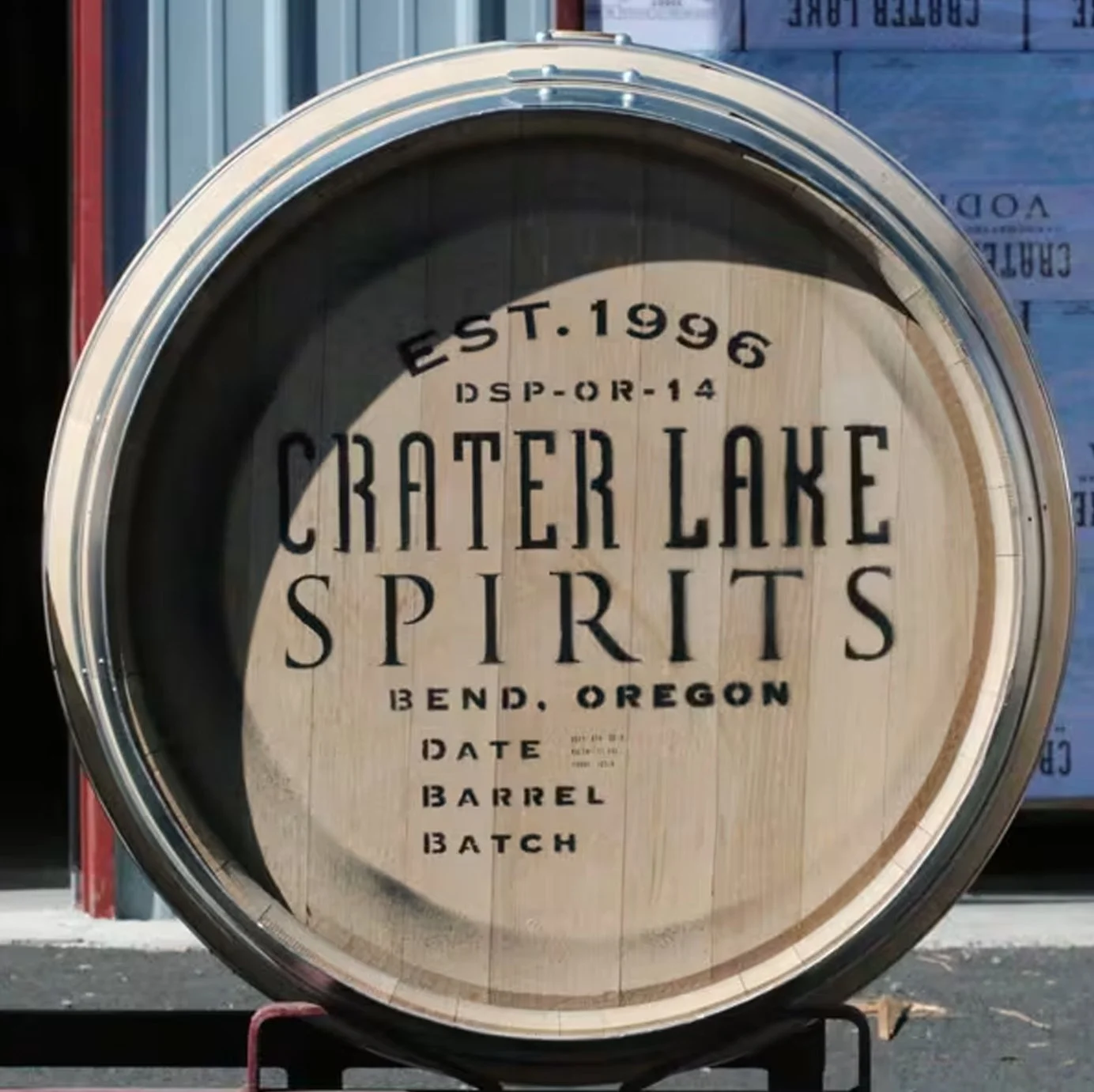
![Large branding stencil applied to a wooden barrel for custom logo and typography marking]()
Barrel Branding Stencil
-
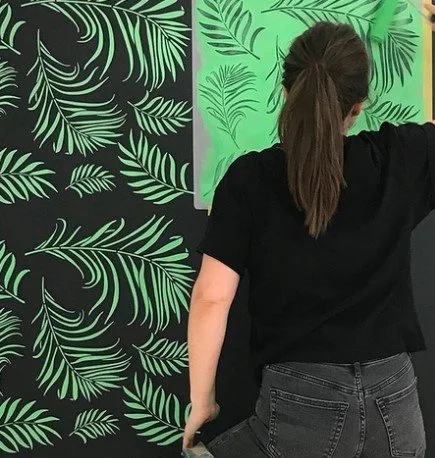
![Decorative wall stencil being applied to create a repeating tropical leaf pattern mural]()
Decorative Wall Stencil
-
![Reusable coffee stencil used to create a decorative branded design on cappuccino foam]()
Coffee Branding Stencil
-
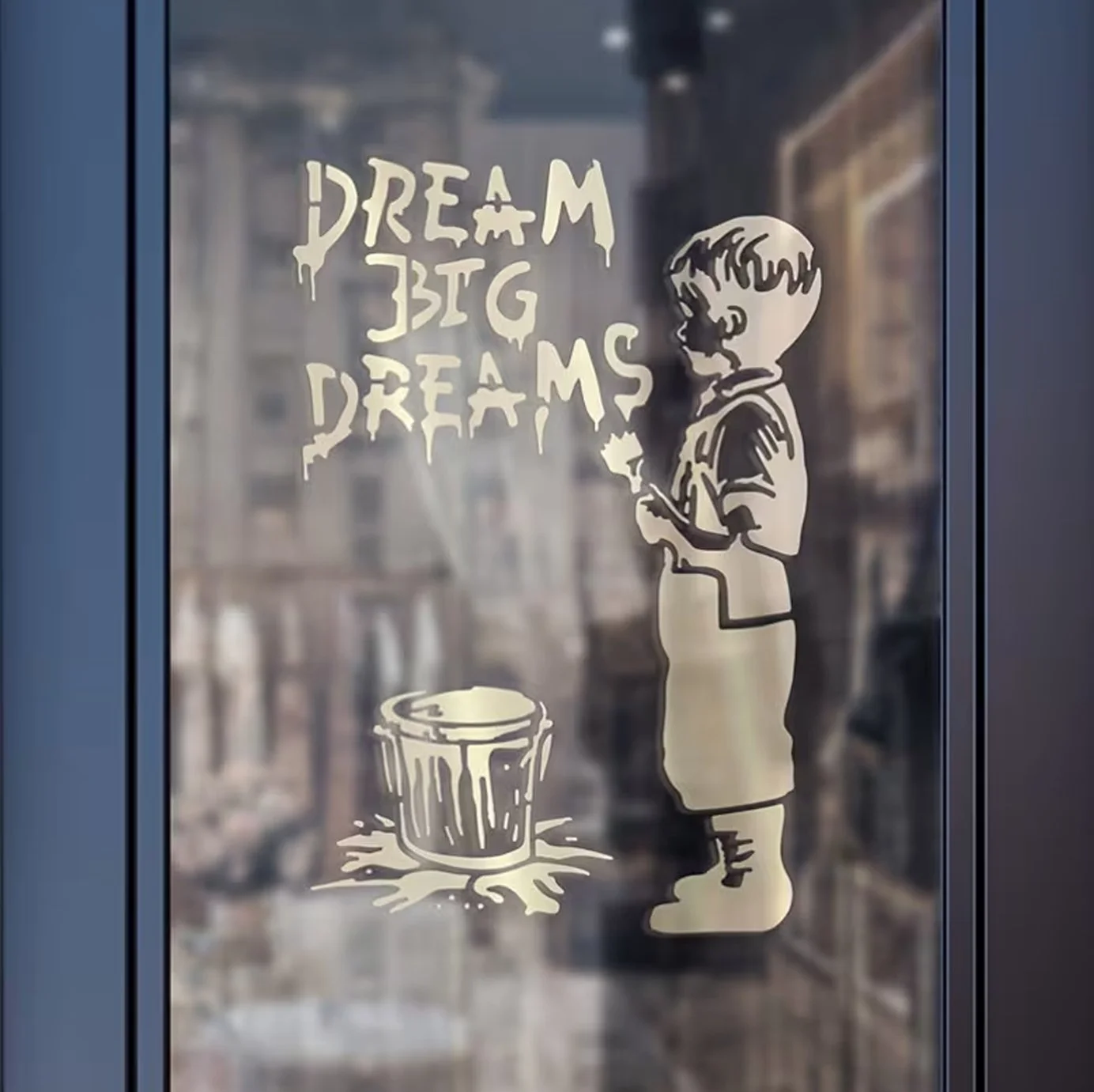
![Custom graphic stencil artwork applied to a glass window for branding or decorative display]()
Window Graphic Stencil
-
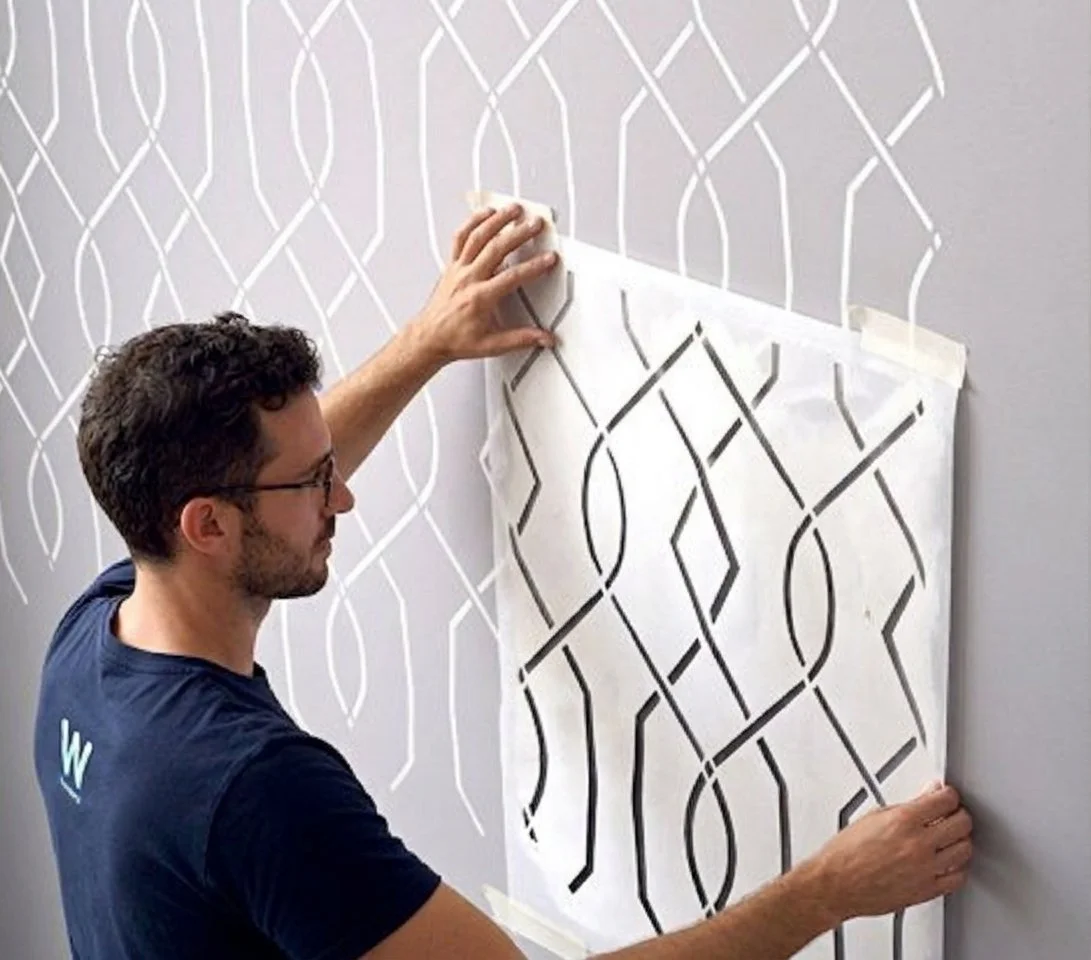
![Reusable pattern wall stencil being positioned for a repeating geometric interior design]()
Pattern Wall Stencil
-
![Stencil-style lettering design shown on a wooden welcome sign for retail or display use]()
Signage Style Stencil
-
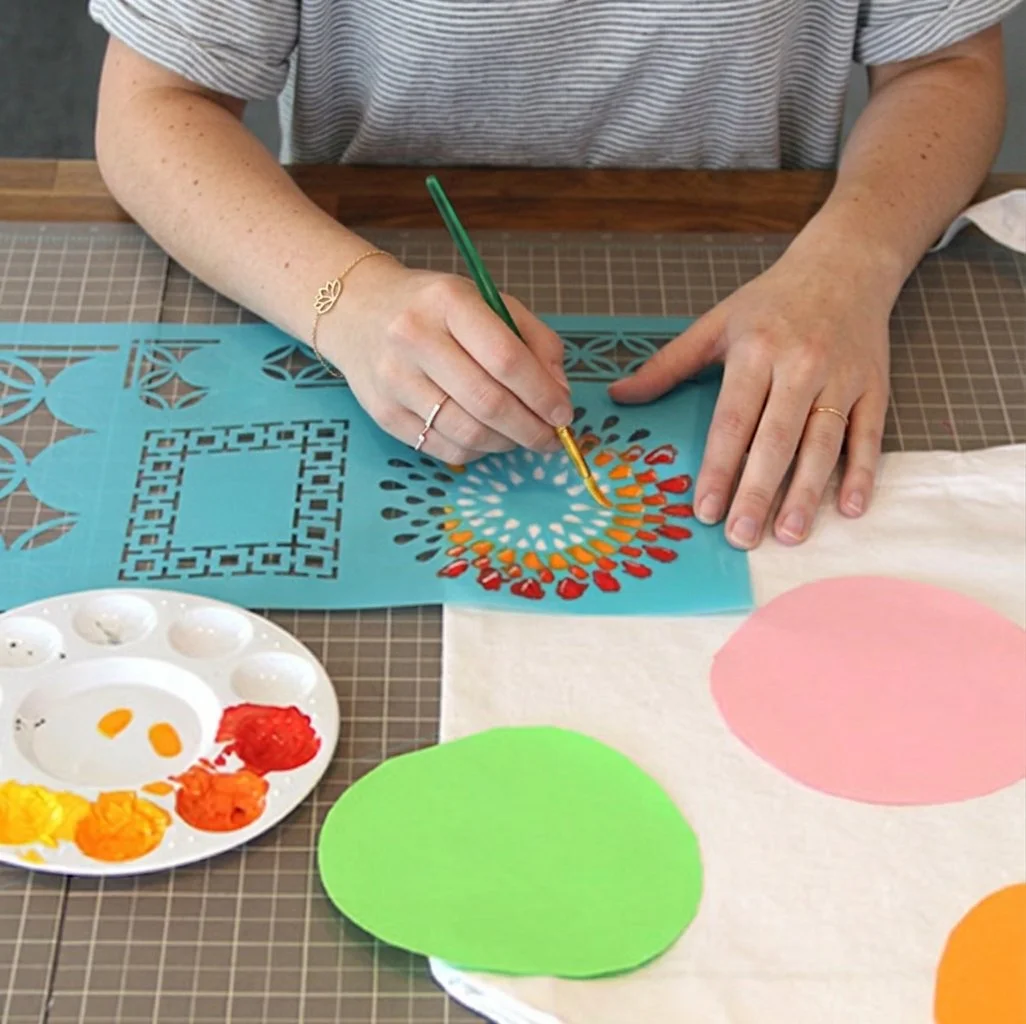
![Custom stencil being painted onto fabric for textile decoration and craft applications]()
Textile & Craft Stencil
-
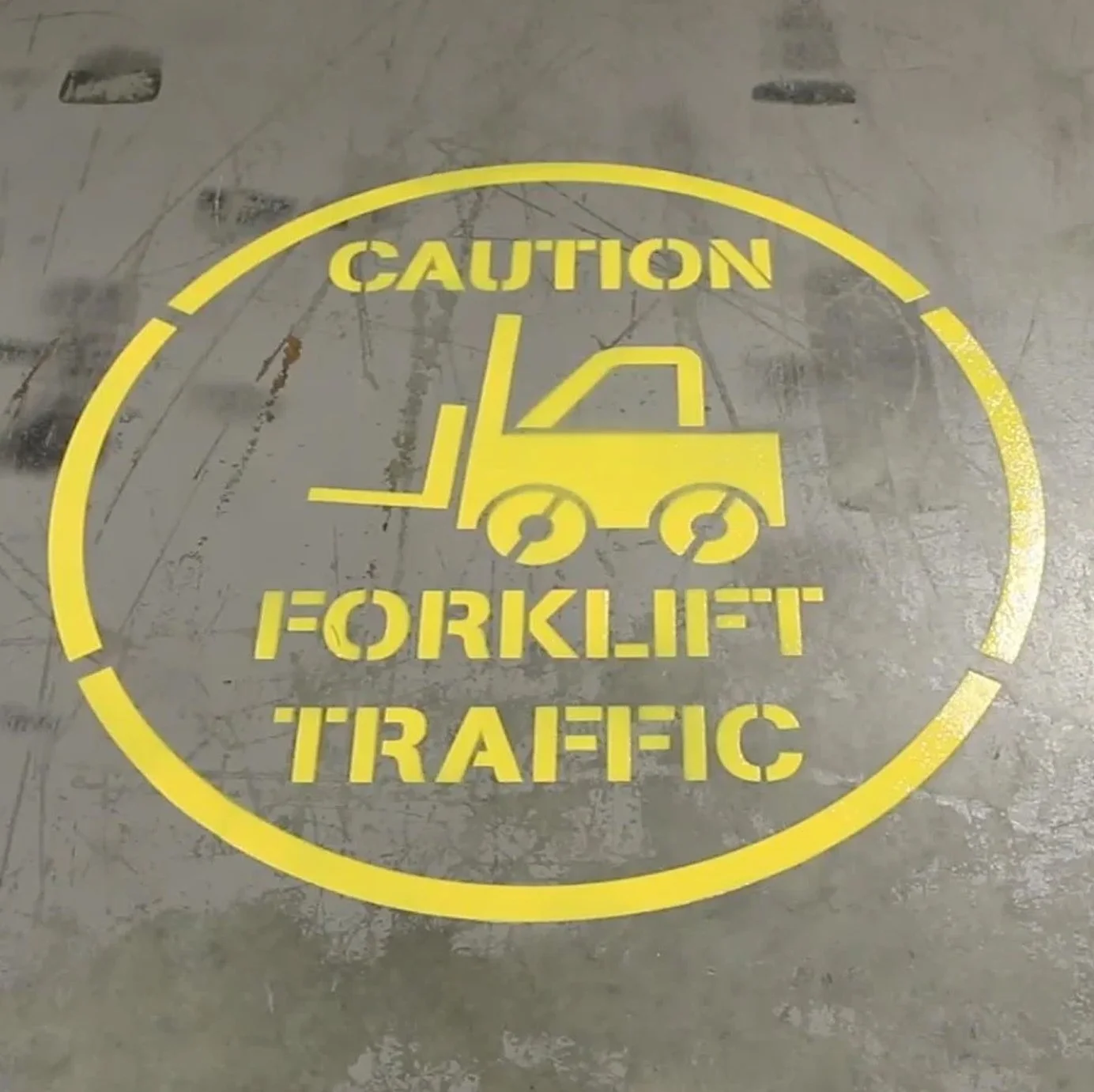
![Road and safety marking stencil used for forklift traffic warning on an industrial floor]()
Road & Safety Marking Stencil
-
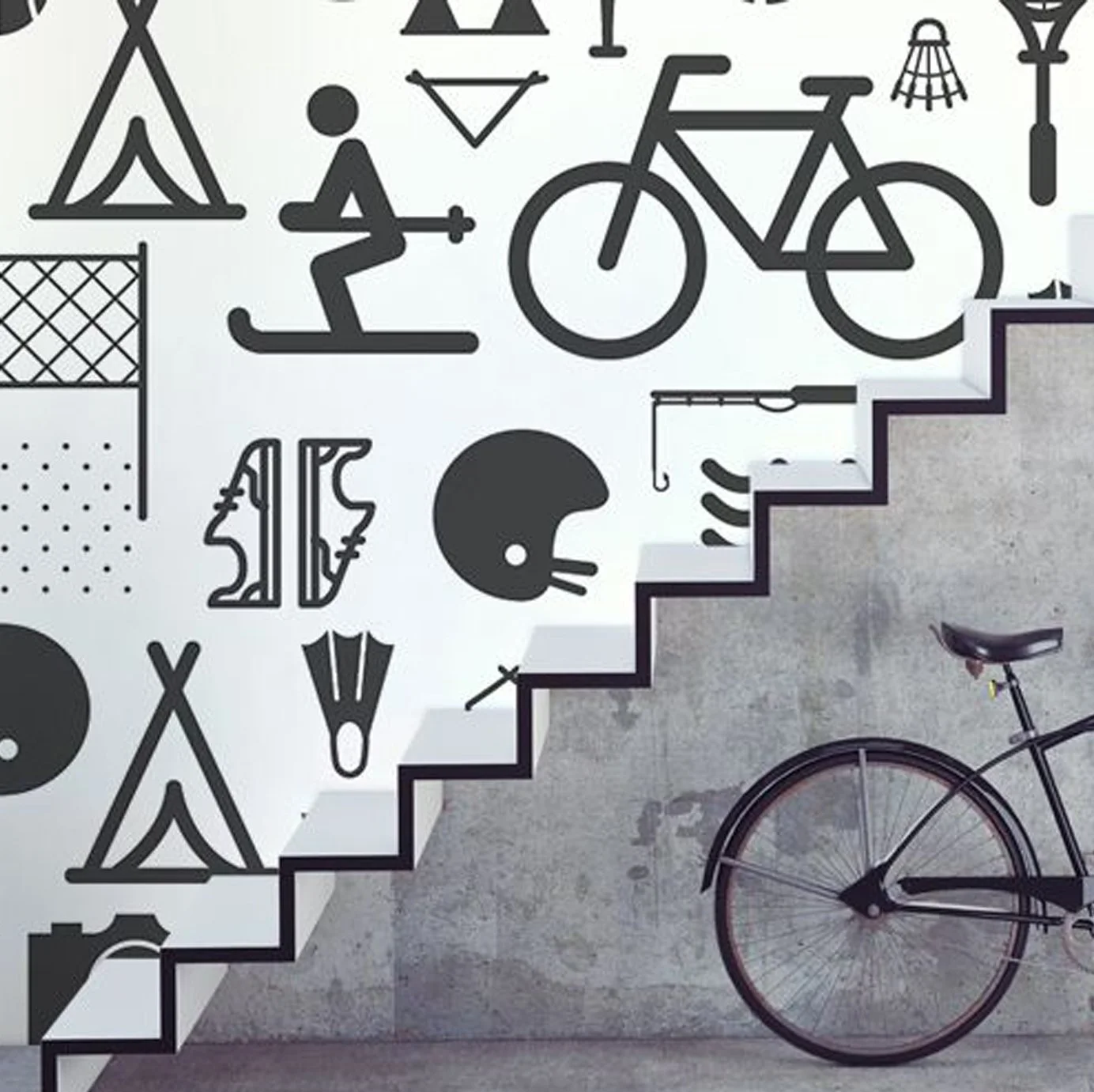
![Icon graphic stencil designs used to create large wall visuals with sports and lifestyle symbols]()
Icon Graphic Stencil

Materials, Thickness & Size
Stencil material and thickness can vary depending on the intended use, design detail and durability required. We currently offer stencil material in two thickness options: 0.125 mm and 0.25 mm.
The 0.125 mm option is thinner and more flexible, making it suitable for smaller stencil designs, finer detail and lighter-use applications. The 0.25 mm option is thicker and more durable, making it a better choice for repeated use, larger stencil designs and projects that need more stability during application.
Our maximum single-piece stencil size is approximately 900 × 1100 mm. For larger designs, stencils are typically produced in multiple sections so they can be aligned and used as a joined layout.
If you're unsure which thickness or format is best for your project, we can review your design and recommend a suitable option based on size, detail and intended use.
Pricing
Most custom stencil projects start from A$45, with final pricing based on size, design complexity, material thickness and whether the stencil is made as a single piece or in multiple sections.
Guide pricing
Small stencils — up to 300 mm — from A$45
Medium stencils — 301 to 600 mm — from A$75
Large stencils — 601 to 900 mm — from A$120
Oversized / multi-piece stencils — over 900 mm — from A$150+
Available thickness options
0.125 mm — better for lighter-use applications and finer detail
0.25 mm — better for repeated use, larger stencil designs and more stability
Our maximum single-piece stencil size is approximately 900 × 1100 mm. Larger designs are usually produced in multiple aligned sections.
Design Notes & How to Order
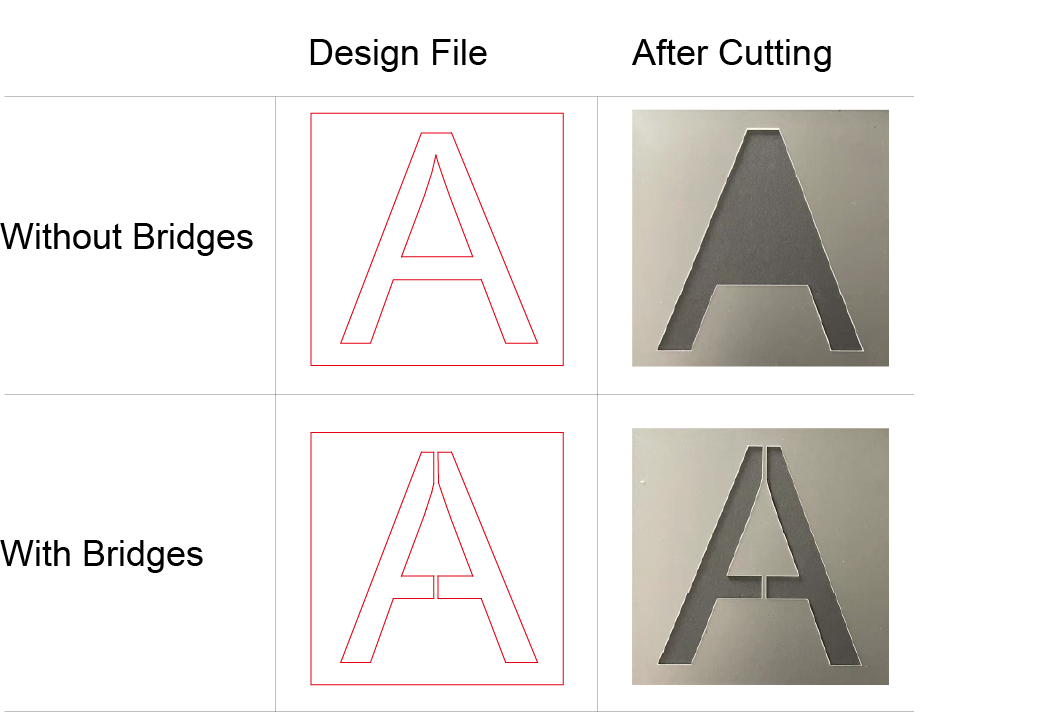
Some stencil designs may require bridges to keep enclosed areas connected to the main stencil sheet. This is especially important for letters and numbers with enclosed sections, such as A, B, D, O, P, Q, R, 0, 4, 6, 8 and 9. Without a bridge, the centre section would simply fall out during cutting.
For best results, we recommend a minimum bridge width of 2 mm.However, the exact width will depend on your design.The example below illustrates the difference between using and not using bridges. Please setup your file accordingly.
Some detailed logos and complex artwork may also require spacing adjustments or slight simplification to make them suitable for stencil cutting.
Laser-cut stencil edges may show minor heat marks depending on the material and design detail, but in most cases this does not affect the usability of the stencil.
To order a custom stencil, simply send us your logo, artwork, dimensions or idea. If you're unsure about file setup, that's okay — we can review the design and suggest the best format based on your project.
Helpful information to include:
intended use
approximate size
quantity
preferred thickness, if known
whether the stencil needs to be reusable
any deadline or event date
Frequently Asked Questions
-
Our stencils are made from Mylar stencil film, a durable plastic material commonly used for reusable stencil applications. We currently offer two thickness options: 0.125 mm and 0.25 mm, depending on the size, level of detail and intended use of the stencil.
-
Yes. Our stencils are designed to be reusable when used and cleaned properly. Reusability depends on the stencil material, paint method, level of detail and how carefully the stencil is handled during and after use.
-
The 0.125 mm option is thinner and more flexible, making it better suited to smaller stencil designs, finer detail and lighter-use applications. The 0.25 mm option is thicker and more durable, making it a better choice for repeated use, larger stencil designs and projects that need more stability during application.
-
Our maximum single-piece stencil size is approximately 900 × 1100 mm. Larger designs are usually produced in multiple sections so they can be aligned and used as a joined layout.
-
Yes, in many cases stencils can be used on curved or slightly uneven surfaces, especially when a thinner and more flexible stencil material is used. The final result will still depend on the surface texture, paint method and how the stencil is positioned.
-
Stencils can be used on a wide range of surfaces depending on the project, including walls, floors, fabric, packaging, timber, display pieces and other painted or printable surfaces. For the cleanest results, smooth and dry surfaces generally work best.
-
This depends on the surface and application method. In many cases, low-tack tape or a suitable temporary spray adhesive can help keep the stencil in place while painting. The right approach will depend on the material, surface and size of the stencil.
-
Small variations can happen during stencilling, especially if too much paint is applied or the surface is textured. For best results, use light, controlled paint application and avoid overloading the brush, roller or spray.
-
Yes. Minor heat marks can occur on laser-cut stencil edges depending on the material, thickness and design detail. In most cases this does not affect the functionality or usability of the stencil.
-
To order a custom stencil, simply send us your artwork, logo, dimensions or idea. Helpful information includes the intended use, approximate size, quantity, preferred thickness if known, and whether the stencil needs to be reusable. If needed, we can also review your file and advise on stencil-ready design adjustments.
-
Yes, but smoother surfaces usually give cleaner and sharper results. Stencils can still be used on textured surfaces, though the final finish may vary depending on the surface and paint method.
-
In many cases, stencils can be used with a range of paints, as long as the paint is suitable for the surface you’re working on. Water-based and acrylic-style paints are often easier to work with and easier to clean from reusable stencils.
-
Yes. Stencils can be used for repeating wall patterns, decorative surfaces and all-over designs. For larger repeated layouts, it can help to plan spacing carefully, and in some cases multiple stencil pieces may make the process easier.
-
In many stencil applications, it’s better to remove the stencil soon after painting rather than waiting for the paint to fully dry. This can help reduce the risk of paint lifting at the edges.
-
Common stencil methods include using a stencil brush, a dense foam roller or spray paint, depending on the project. For cleaner edges, use light and controlled paint application, and avoid overloading the brush, roller or spray.